
Resources & Helpful Articles
Medical Concerns



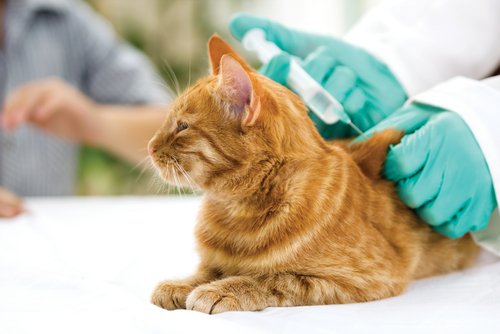
Vaccinations and Examinations
By: Lakeville Family Pet Clinic
Regular vaccinations and examinations will help keep your pet healthy and happy. While your veterinarian will be able to advise you of the frequency that your pet should be examined, most recommend either annual or bi-annual visits. Since pets age an average of 7 times faster than humans, they are considered middle-aged by the time…

Ticks
By: Lakeville Family Pet Clinic
Ticks are arachnids that belong to the same family as spiders and mites. They are parasitic and feed on the blood of host animals. Ticks are visible to the naked eye but are only about the size of a pinhead before swelling with blood as they feast. Animals living in the Southern States or near heavily wooded…

Poison Guide: What to do if you think your pet has been poisoned
By: Lakeville Family Pet Clinic
Despite how careful we try to be regarding toxic substances, there are still thousands of pets every year who unfortunately suffer from the accidental ingestion of harmful substances, many of which are household poisons. Poisoning can cause extreme health problems and even death, but these can be prevented by understanding which common household toxins may harm…

Pet Loss Support
By: Lakeville Family Pet Clinic
Letting children, especially young children, and pets, especially new ones, play can be a little nerve-wracking. The foremost worry is for the safety of the children, of course — it’s more likely that an animal would physically hurt a child than the other way around. Unfortunately, kids can hurt pets too, and what’s more, they…

Heatstroke and Your Pet
By: Lakeville Family Pet Clinic
As Spring warms up into Summer and the humidity and heat start to really set in, it’s good to remember that, like every other member in your family, you need to take extra care with your pet. When the weather begins to heat up, it is easier for you to become dehydrated and dangerously overheated,…

Heartworm
By: Lakeville Family Pet Clinic
Heartworm is a serious illness that can cause heart failure, lung disease, organ damage and even death in dogs, cats and ferrets. Heartworm is most prevalent in pets living along the Atlantic Gulf coasts from New Jersey to the Gulf of Mexico as well as in those living alongside the Mississippi and its main tributaries. However,…