
Resources & Helpful Articles
Welness




Homeopathy for Animals
By: Lakeville Family Pet Clinic
Homeopathy is a medical philosophy and practice based on the theory that by using the correct natural substances, the body can heal itself. Homeopathic remedies are used by more than 200 million people around the globe to treat a wide range of conditions.The underlying principle is that the same substance that causes symptoms when given in…

Heatstroke and Your Pet
By: Lakeville Family Pet Clinic
As Spring warms up into Summer and the humidity and heat start to really set in, it’s good to remember that, like every other member in your family, you need to take extra care with your pet. When the weather begins to heat up, it is easier for you to become dehydrated and dangerously overheated,…

Heartworm
By: Lakeville Family Pet Clinic
Heartworm is a serious illness that can cause heart failure, lung disease, organ damage and even death in dogs, cats and ferrets. Heartworm is most prevalent in pets living along the Atlantic Gulf coasts from New Jersey to the Gulf of Mexico as well as in those living alongside the Mississippi and its main tributaries. However,…
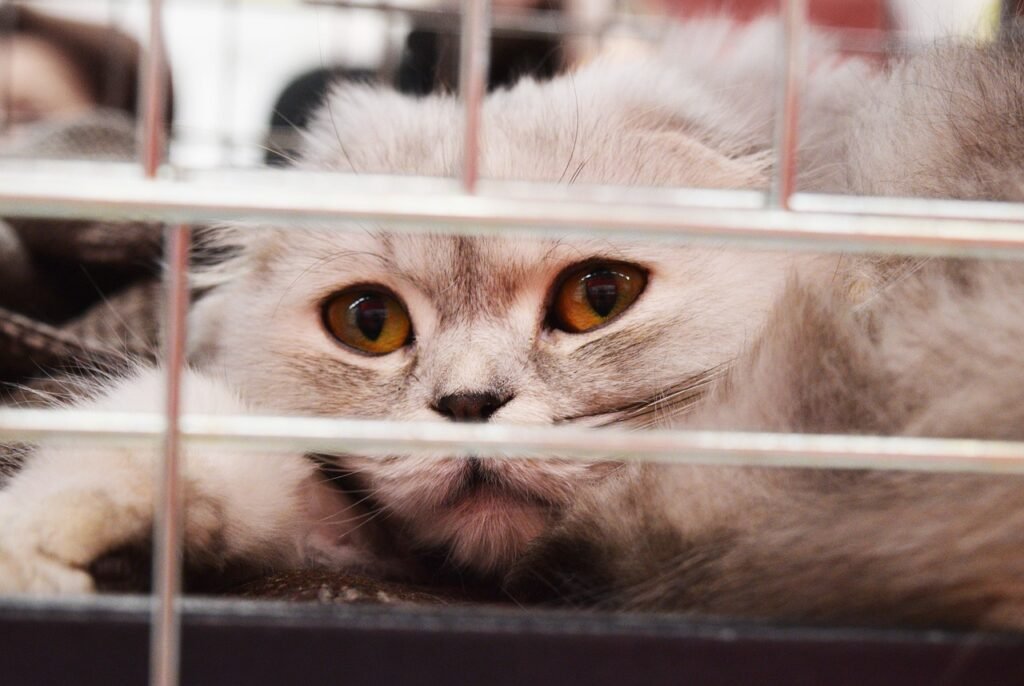
General Pet Safety
By: Lakeville Family Pet Clinic
Keeping your pet safe is the most important part of keeping both you and your pet happy. When you first adopt a pet or new breed of pet — or even better, before you adopt them — be sure to research the basics of your pet. When you finally select a pet, talk to the…
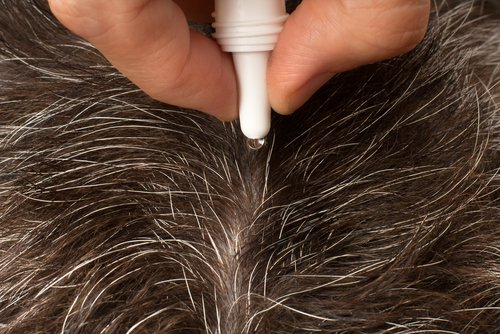
Flea Prevention and Care
By: Lakeville Family Pet Clinic
Saving Your Pet from an Itchy Problem: Fleas Every parent to a furry pet knows how much of a nuisance fleas can be. At best, your pets become itchy and skittish, but at worst they become miserable and lethargic. And just like ticks, fleas can be a vector for disease for you and your pets!…

Feline Distemper
By: Lakeville Family Pet Clinic
Feline Distemper, also known as Feline Panleukopenia and FPV, is a highly contagious viral disease that can be debilitating and even fatal. Kittens between 2 and 6 months of age are the most vulnerable to the disease, followed by pregnant and immune-compromised cats. Surviving FPV comes with immunity to any further infections by the virus. What…